Starting from July 24, shoppers can enjoy free goods: "Pyatyrok", "Kraznoe&Beloe", and "Magnit" have taken a significant step for consumers
In a groundbreaking move, three major Russian retailers - Pyaterochka, Krasnoe&Beloye, and Magnit - have united to implement free QR payments, marking the first time these retail giants have adopted this innovative solution. This move is expected to significantly reduce costs for small stores, addressing a long-standing problem of high costs for traditional contactless payment equipment.
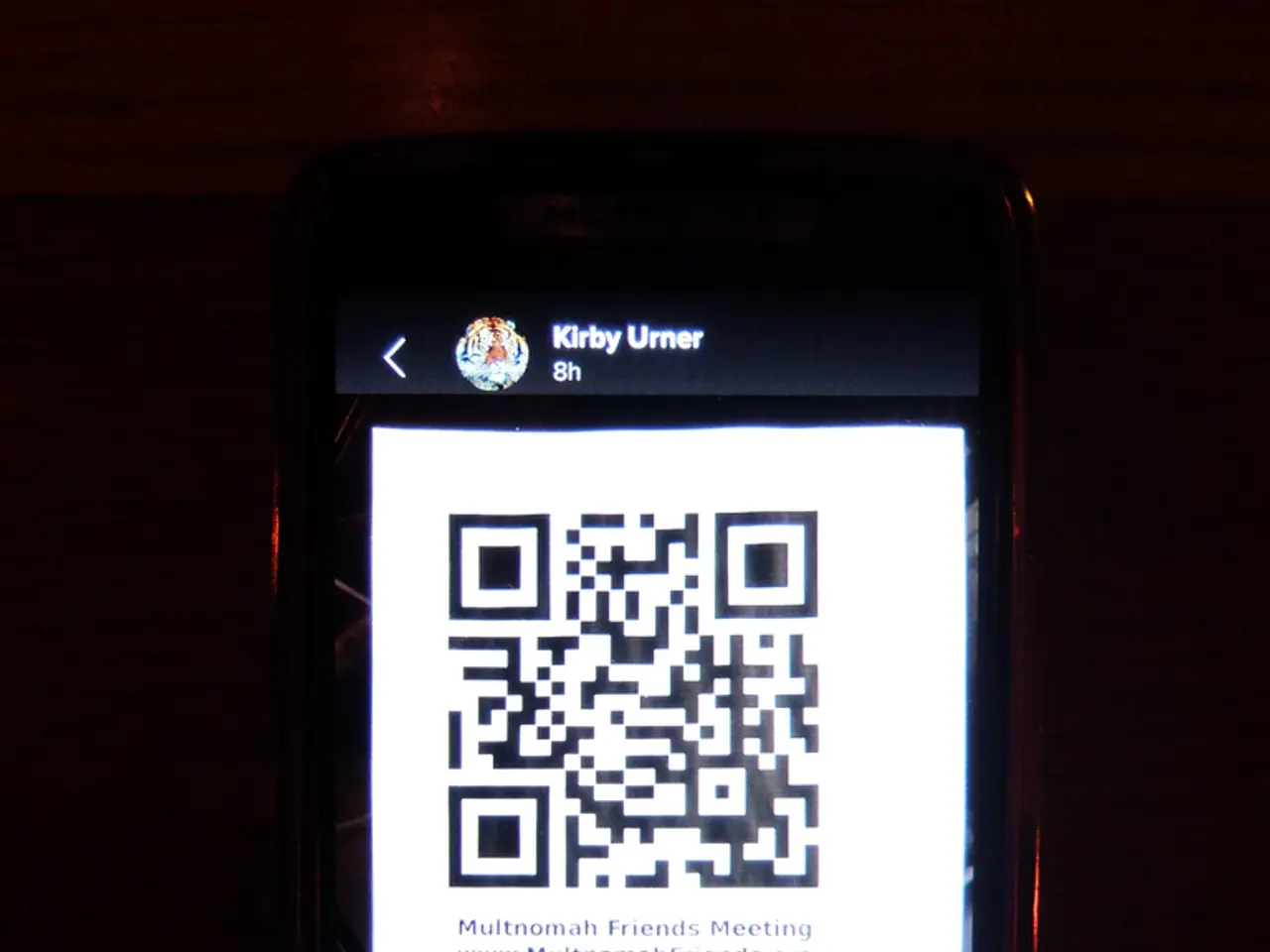
The QR code payment system, already widely used worldwide since 2010, is particularly beneficial for small businesses with limited budgets. Unlike conventional NFC terminals, the QR code system does not require stores to cover any costs. The payment process involves the cashier activating a QR code on the terminal or customer display, and the customer scanning it using their bank's mobile app.
This development is a significant step forward in the Russian retail sector, aiming to help small stores and modernize the payment infrastructure. The legislation allows businesses in areas without proper internet or mobile connectivity to opt out, ensuring that small businesses in rural areas are not disadvantaged.
The QR code system offers several key advantages over traditional NFC terminals. Firstly, QR codes can be used through smartphones, making them more accessible than NFC terminals, which require specific hardware. Secondly, the QR code system is touted as cost-effective, potentially reducing transaction fees compared to traditional NFC payments. Lastly, the QR code system is part of a broader push towards digitalization, aiming to modernize Russia's payment infrastructure.
However, there are challenges to be addressed. Areas with poor internet connectivity face challenges, though the legislation provides exemptions for such regions. Additionally, there is ongoing public skepticism about the transition to digital currencies, which may affect adoption rates among small businesses.
Despite these challenges, the QR code payment system for the digital ruble offers a more accessible and cost-effective solution for small retail businesses in Russia, particularly compared to traditional NFC terminals. Ensuring the mobile app is up-to-date ensures a smooth transaction in the QR code payment process, and the entire process takes just a few seconds, making it fast and convenient. Moreover, the QR code system does not impose any expenses on retailers, as banks cover all costs, including code generation, processing, and maintenance.
In conclusion, the implementation of free QR payments is set to impact small retail businesses in Russia by providing an alternative to traditional payment methods, such as NFC terminals. Its success depends on addressing connectivity challenges and public acceptance, but it presents a promising solution for small businesses looking to reduce costs and modernize their payment systems.
Businesses in Russia can now take advantage of the cost-effective QR code payment system, especially small enterprises with limited budgets, as it does not require them to cover any costs like traditional NFC terminals. This digital ruble-based QR code system is a significant step forward in modernizing the Russian payment infrastructure, aiming to reduce costs for small stores and improve accessibility for customers using smartphones.