
Transforming Rock Ascents: Innovations in Climbing Equipment and Techniques
Advancements in climbing technology have brought about a significant transformation in the world of climbing, enhancing safety, performance, and overall experience for climbers across various disciplines.
Safety has been a primary focus of these advancements. The development of active protection devices, such as spring-loaded camming devices (SLCDs), in the 1970s revolutionised traditional climbing by allowing climbers to place secure protection in cracks that were previously unprotectable. This reduction in the risk of serious falls has enabled climbers to attempt harder routes with greater confidence.
In the realm of sport climbing, the introduction of pre-drilled permanent bolts in the 1980s made ascents on blank faces safer, leading to the rise of sport climbing and the emergence of professional climbing and competition formats. Despite these advancements, injury rates remain consistent, with most injuries affecting the upper and lower extremities. However, the improved safety of modern gear has likely reduced the incidence of catastrophic accidents during climbing activities.
Performance has also seen a significant boost thanks to technological advancements. The introduction of SLCDs allowed traditional climbers to safely attempt harder crack climbs, setting new grade milestones. Sport climbing's reliance on bolts removed the need to protect the climb manually, leading to even more significant advances in technical difficulty.
Modern equipment has also made climbing more accessible to a wider range of participants, including youth and women, as reflected in the sport's rapid growth. Improved safety has increased climbers' confidence to explore new terrain and attempt routes that were once considered too dangerous, leading to the development of new climbing areas and the popularization of both indoor and outdoor climbing.
Innovative equipment such as advanced climbing shoes, with improved grip, fit, and ventilation, has enhanced climbers' ability to stand on small holds and execute complex movements, directly impacting performance in all disciplines. Similarly, bouldering mats now offer better cushioning and impact resistance due to innovative materials, reducing injury risks.
Smart chalk and grip-enhancing products have been developed for bouldering to improve performance and reduce injury risk. Advanced belay devices in sport and lead climbing allow for better control during lowering and rope management. Harnesses designed for sport and lead climbing now offer greater comfort for extended use.
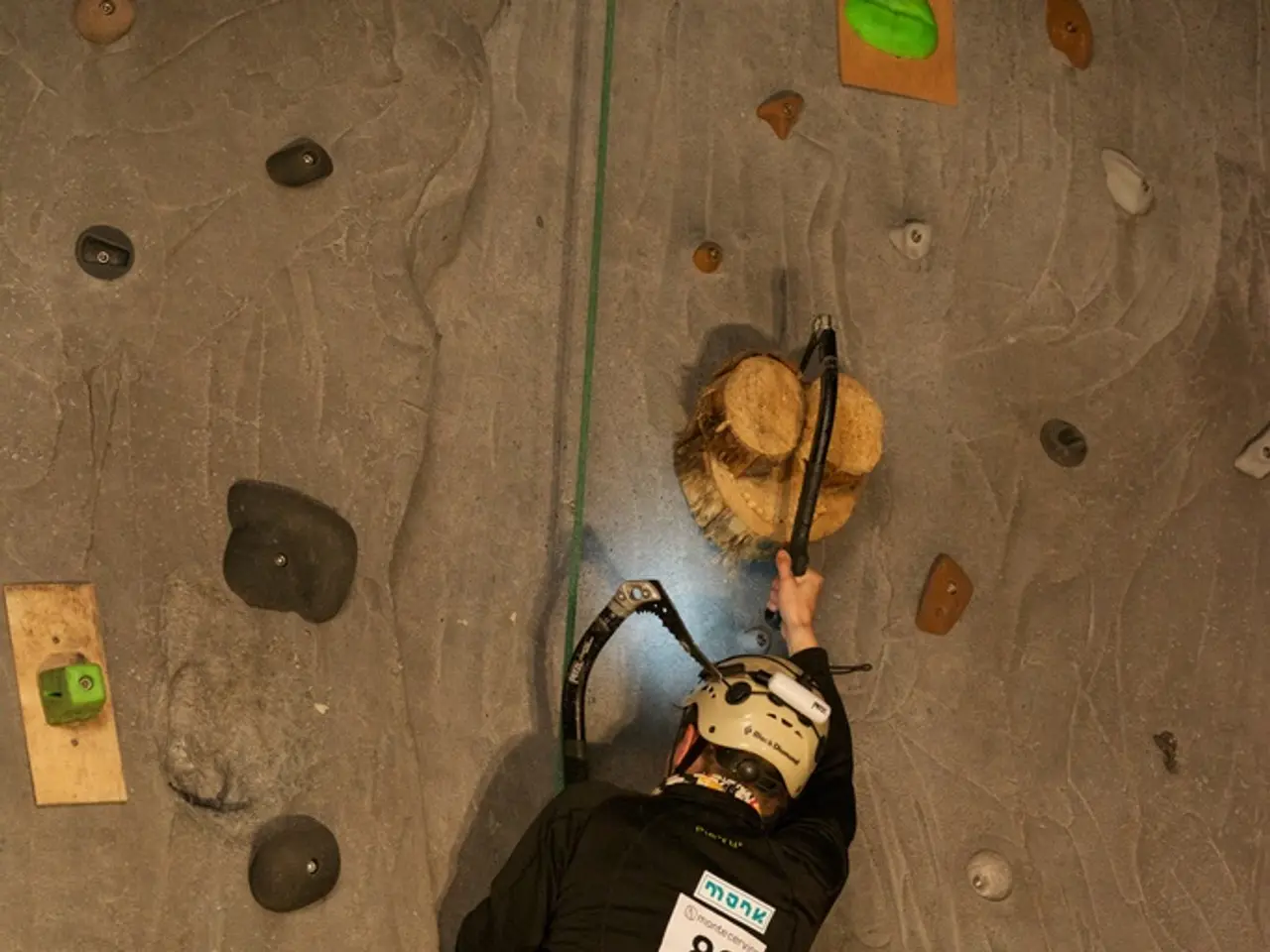
Innovative rock climbing walls simulate different rock formations, adjust difficulty levels, and track a climber's progress. Modern climbing shoes feature advanced rubber compounds that offer superior grip. Multi-purpose harnesses are designed to provide maximum comfort, flexibility, and support.
Modern sport climbing and lead climbing ropes, such as dynamic and semi-static, offer superior elasticity and durability. Climbing gear, such as ropes, harnesses, helmets, and shoes, have undergone significant improvements in safety and performance due to advancements in material science. High-tech ropes are now equipped with better strength-to-weight ratios.
The future of climbing technology may involve integrating augmented reality (AR) and virtual reality (VR) into climbing training. AI-powered tools may assist in route planning for climbers based on environmental factors such as wind speed, temperature, and humidity.
In conclusion, advancements in climbing technology—ranging from active protection devices and pre-drilled bolts to improved footwear and weather forecasting—have revolutionized safety, enabled unprecedented performance gains, and transformed the climbing experience across disciplines. While inherent risks remain, especially in extreme forms like free soloing and high-altitude mountaineering, modern equipment and techniques have made climbing safer, more accessible, and more technically advanced than ever before.
- The integration of augmented reality (AR) and virtual reality (VR) into climbing training could be the next step in enhancing the sport's performance.
- The evolution of sports climbing has been significantly impacted by the introduction of pre-drilled permanent bolts, which made ascents on blank faces safer and led to the popularization of the sport.