Visa survey reveals that only six out of ten users report incidents of payment fraud.
In a recent survey conducted by Visa, revelations about fraud trends and payment security in Germany paint a complex picture. One in five (18%) respondents have already been victims of payment fraud, yet the reporting rate among these victims remains low.
**Awareness and Shame**
One reason for the low reporting rate could be a lack of awareness about the importance of reporting fraud or feelings of shame among victims. Many individuals might not know how to report or might feel embarrassed about falling victim to fraud, leading to underreporting.
**Complexity of Reporting**
Reporting fraud can be complex, involving multiple steps and institutions. This complexity might deter some victims from reporting incidents.
**Perceived Ineffectiveness**
Victims might perceive that reporting fraud will not lead to meaningful action or resolution, which could discourage them from reporting.
**Common Phishing Methods**
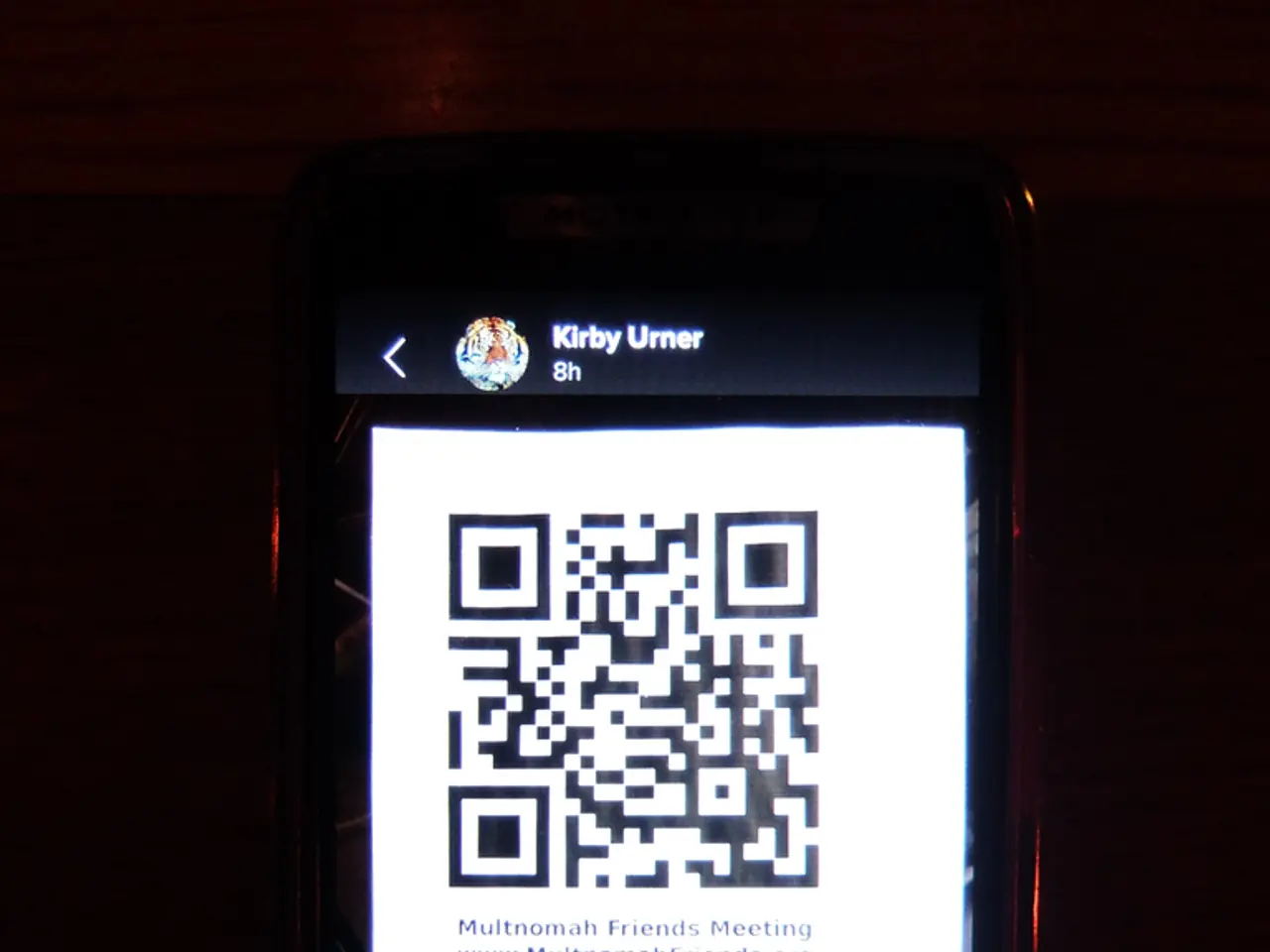
Phishing remains the most common fraud method in Germany, with 79% of respondents receiving fake messages from supposed delivery services and 67% from supposed banks. Newer forms of phishing include fraudulent financial and cryptocurrency offers (18%), and "Quishing" (fraud with fake QR codes) (58%), with about one in ten (8%) having experienced it.
**Recent Fraud Trends in Germany**
In 2024, German companies reported significant financial losses due to cybercrime, though the exact amount lost to fraud is not highlighted as the major portion. The European Public Prosecutor's Office recently investigated a significant VAT carousel fraud scheme worth €10 million, showing the existence of complex financial crimes.
**General Fraud Trends**
Globally, iGaming operators are facing increased fraud, particularly during the deposit stage. The increase in AML fines globally, including in Europe, indicates a growing focus on combating financial crimes, which might indirectly impact fraud reporting and prevention in Germany.
**Security Priorities**
Security remains the most important factor when paying for respondents, with its importance increasing with age. Half (50%) now find paying with a smartphone or wearable secure, an increase from 37% in 2023. However, skepticism about QR code payments is growing, with only 37% finding this method secure, down 3 percentage points from last year.
**Consumer Expectations**
Over half (54%) of respondents feel well-informed by their bank currently. Almost everyone (92%) expects their bank to inform them about security when paying and current fraud methods. The expectation for bank security information is highest among those over 60 (97%).
**Fraud Prevention**
Reporting payment fraud is important for fraud prevention, as notifying the police (60% of those who have experienced online money loss) and the bank can help prevent further losses. Regular updates on fraud forms (60%) and advice on suspicious account activities or debits (58%) are particularly desired by respondents.
**Conclusion**
As technology evolves, so does the landscape of fraud. Consumers must remain vigilant and informed, while banks and financial institutions need to prioritise security and education to protect their customers. The fraud rate on Visa payments has been reduced in recent years, according to the report, indicating that these efforts are bearing fruit.
The finance business must prioritize increasing awareness about the importance of reporting payment fraud and reducing the feelings of shame among victims, as these factors might contribute to the low reporting rate. Technological advancements can be utilized to simplify the reporting process for victims, making it less complex and more user-friendly.